From Lead to Final Payment: One Connected Business System
Summary
A Central Hub built to connect leads, estimates, contracts, deposits, internal tasks, subcontractors, and finance in one automated operating system. It was shaped through an agentic, AI-first development process with no-code prototyping, which made it possible to move from concept to delivery in months rather than the years a traditional custom build would usually require.
About
Happy House is a small construction and maintenance company based in California. The team consists of only four people, yet the business handles a surprisingly complex workflow that spans home visits, estimates, contracts, deposits, materials, subcontractors, and final payment.
Before Central Hub, the team relied on Google Sheets, Google Docs, and constant texting to keep the business moving. They had previously tried a specialized builder platform, but it still did not match how they actually operated, so they chose to build a custom system around their real workflow.
Growing Fast Meant Growing Pains
The main issue was not demand. It was operational fragmentation. Because the business process has multiple steps and parallel dependencies, it was difficult to see which order was at which stage, who needed to act next, and what materials or subcontractors were required.
- Order status lived across spreadsheets, docs, and chats instead of one source of truth.
- The team spent time texting each other to check availability, hours, and scope details.
- Estimates, contracts, deposits, and internal work were not connected in a single flow.
- Recurring admin and finance routines had to be remembered manually.
Why Implementation Was Complex
Central Hub for Happy House had to model a real home-services operation, not just digitize forms. The system needed to reflect how a small construction team coordinates leads, jobs, labor, materials, and payments without adding extra admin overhead.
- The pipeline had to support parallel steps, not just one straight-line checklist.
- Automatic reminders had to be tied to job start dates and client communication.
- Subcontractor coordination and internal task creation had to happen at the right moment.
- Contract generation had to be fast, structured, and reliable enough for daily use.
Solution we built
We built a Central Hub that brings Happy House's core workflows into one connected system. The platform gives the team a single place to manage the business from lead to final payment, with automation handling the repetitive steps that previously required texting, copying, and manual follow-up.
Order Tracking Pipeline
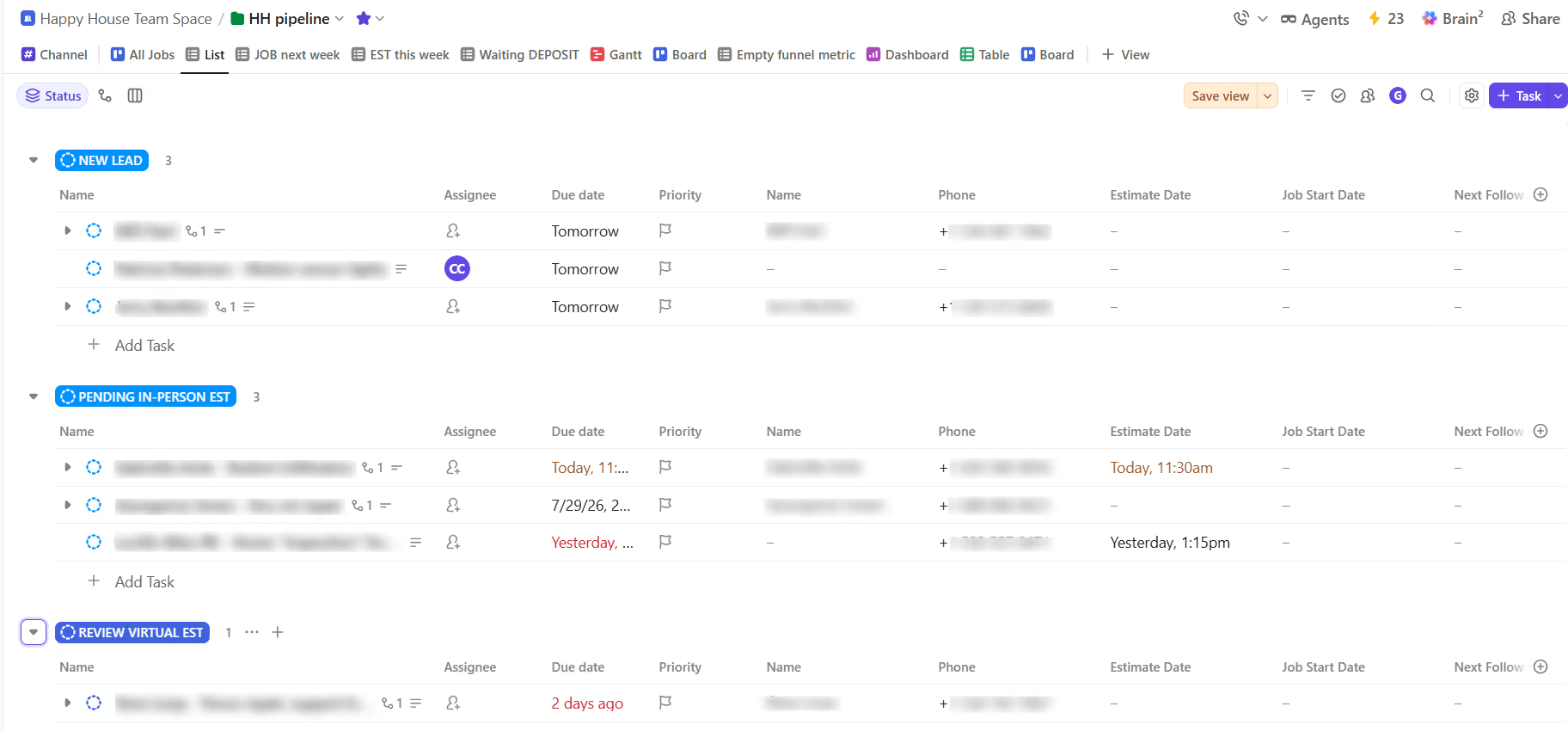
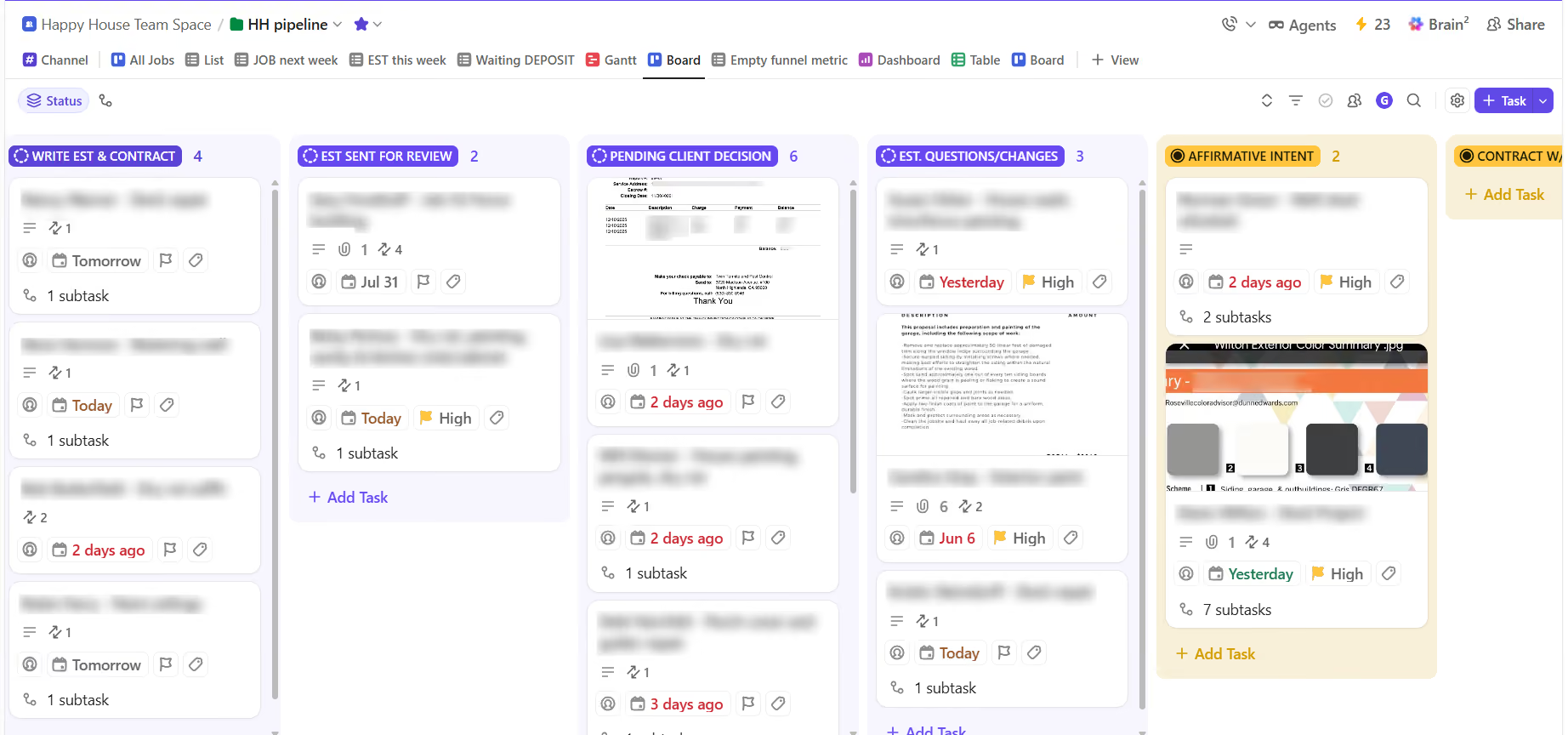
Tracks every order from lead and estimate through contract, deposit, subcontractor coordination, and final payment.
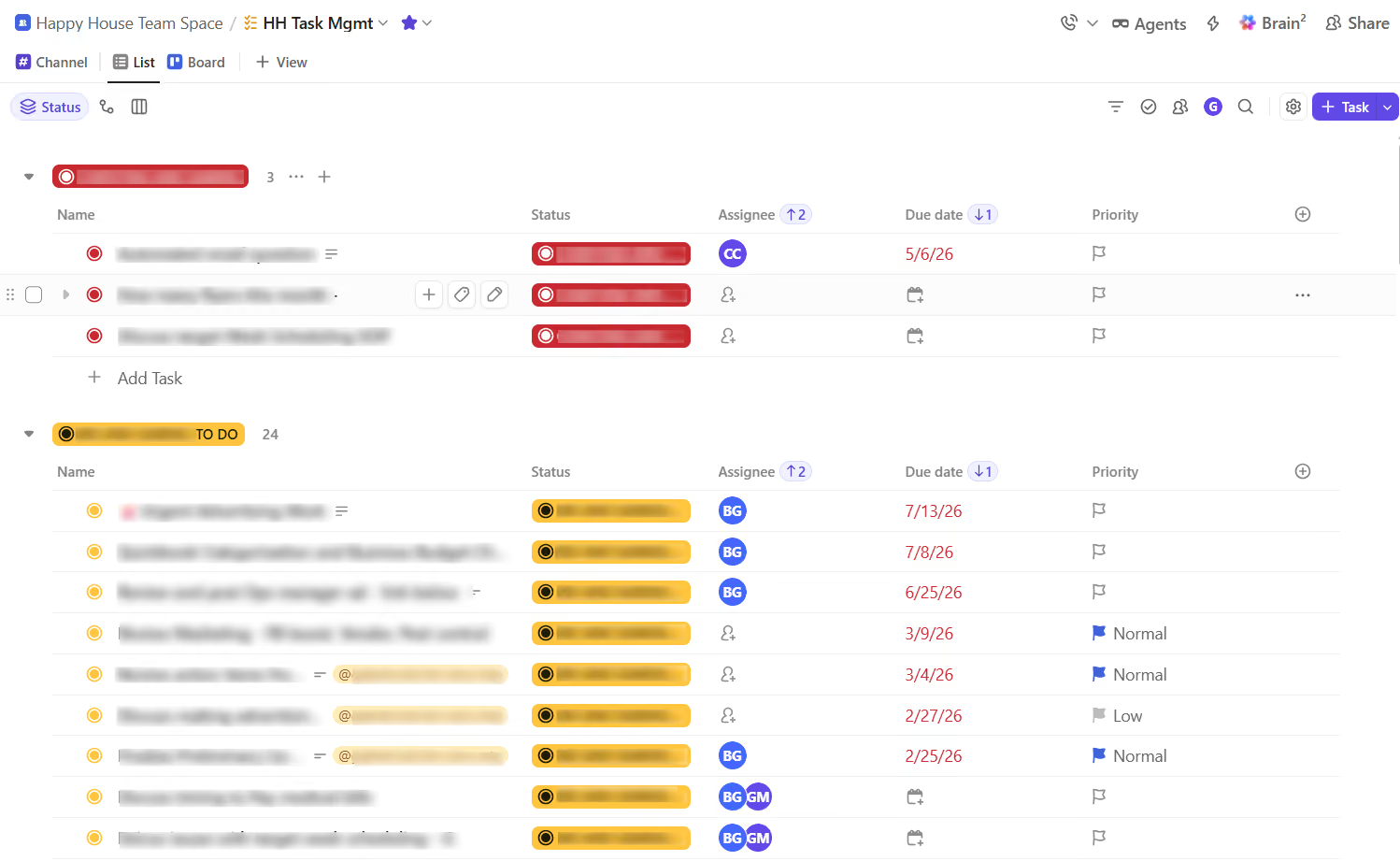
Internal Task Management
Automatically generates recurring tasks and checklists based on weekday, role, and order stage.
Contract and Finance Automation
Uses ChatGPT to structure job details, populate the contract template, create the estimate, and trigger the deposit flow.
Smart Reminders
Sends client reminders before appointments and job starts so the team does not need to chase the same updates manually.
Automated Reporting
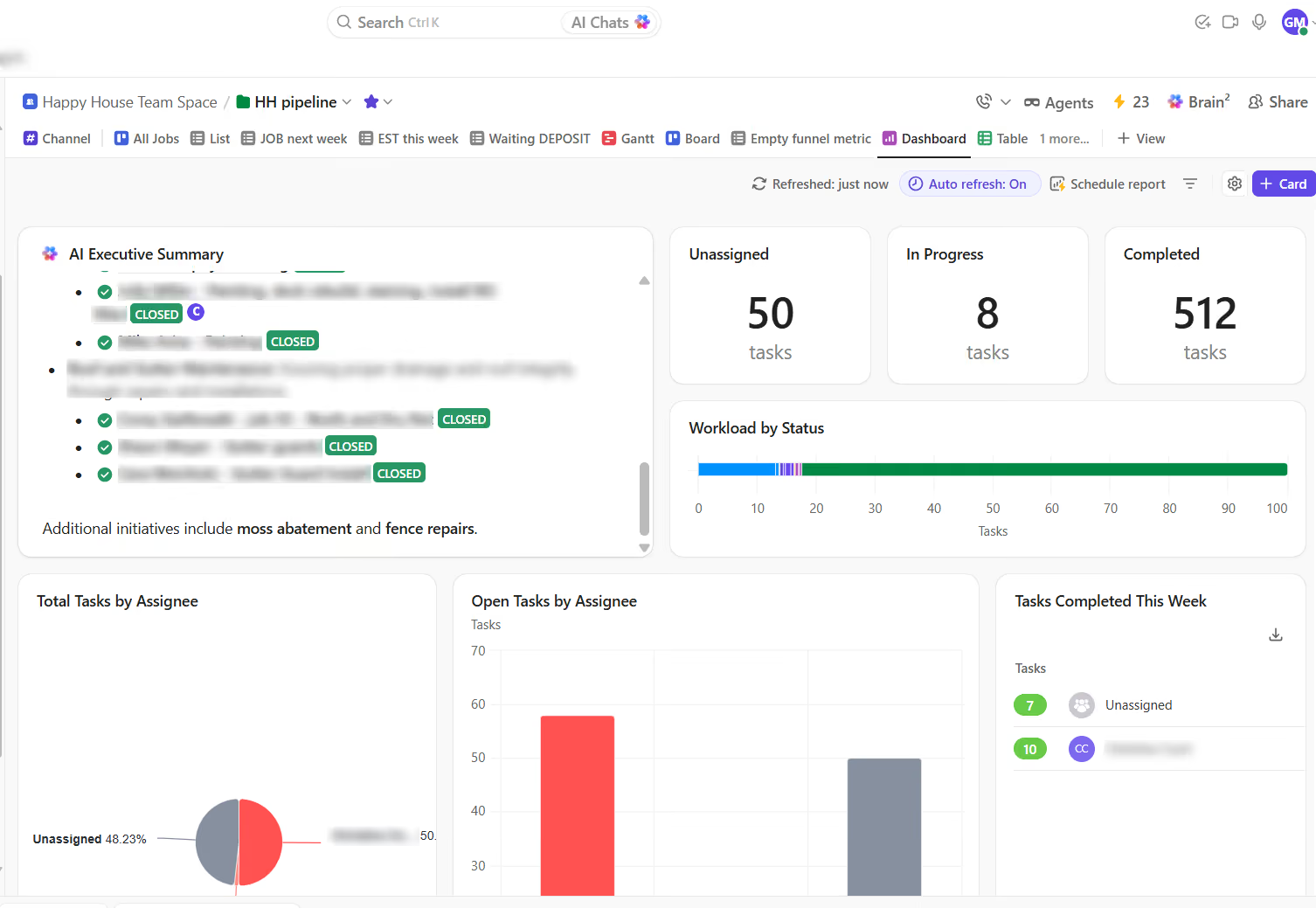
Compiles jobs by stage into an email summary so the CEO can see the pipeline at a glance.
ChatGPT plays a practical role in the contract workflow: the CEO dictates the job details in conversation, the system structures the information, and the contract template is populated automatically. That makes contract creation faster, more consistent, and much less dependent on rewriting documents by hand.
Representative Process Views
These interface views show how Central Hub looks in daily use, but they are only a slice of the larger operating system. Each screen is one step inside a connected workflow that spans leads, estimates, contracts, internal tasks, reminders, and operational tracking.


Results
- 100% of active jobs in one system - Gives the team a single source of truth across the full home-services pipeline.
- ~70% faster contract creation - Contract preparation moved from manual document assembly to AI-assisted structured generation.
- ~50% lower internal coordination overhead - The team no longer needs constant manual texting to check availability, materials, and next steps.
- 100% of orders tracked in one pipeline - All active jobs now move through one Central Hub flow instead of being split across spreadsheets, docs, and messages.
- ~65% reduction in follow-up task preparation time - Tasks and checklists are created automatically when an order changes stage.
Results
- A single operating system now covers lead tracking, estimates, contracts, deposits, tasks, and reporting.
- The team spends less time texting and chasing updates, and more time moving jobs forward.
- Contract creation is faster because ChatGPT structures the details before they reach the template.
- The company now has clearer visibility into which stage every order is in.
- Internal routines are tied to the business process instead of being handled ad hoc.
Final Impact
Central Hub gave Happy House a single system for running the business from lead to final payment. Instead of juggling spreadsheets, docs, and messages, the team now works from one connected platform with automation built around how a construction and maintenance company actually operates.
Client’s testimonial
Related case studies