Construction CRM & Operations Platform for Sales, Scheduling, and Project Delivery
Summary
A construction company operating in North America was managing sales, projects, subcontractors, and client communication across disconnected tools and manual workflows. As the business scaled, this lack of structure created delays, misalignment between teams, and limited visibility into performance.
Sales, call center, and operations were all working with partial information, which made it difficult to track deals, coordinate execution, and make confident decisions.
We designed and built a Central Hub CRM + Operations Platform — a unified system that connects sales, call center, project execution, contract management, and KPI analytics into one structured workflow.
About
The company had strong demand but struggled with operational clarity. Different teams were using separate systems, and there was no consistent way to track the full lifecycle of a client — from first contact to completed project.
This led to several core issues:
- No single source of truth for clients, deals, and projects
- Call center and sales teams working in separate systems
- Manual tracking of follow-ups and deal progression
- Poor visibility into sales performance and operational health
- Disconnected subcontractor and pricing management
- Time-consuming contract generation and signing process
Because of this, leadership lacked real-time insights, and teams were forced to operate reactively instead of following a predictable system.
Solution we built
To address this, we built a Central Hub — a role-based internal platform designed to unify operations without replacing the client’s existing tools. The goal was to centralize data, structure workflows, and create full visibility across the business.
We used an agentic development approach, combined with no-code prototyping and an AI-first workflow, to rapidly design and validate core processes in real conditions. This allowed us to cut development time in half — delivering the system in ~500 hours instead of ~1500 hours for a typical custom build.
Beyond speed, this approach delivers structural advantages over traditional development:
- Consistent outputs — standardized logic and reusable patterns reduce variability
- Better decisions — AI works across full system context, not isolated features
- Continuous improvement — the system evolves based on real usage and past results
- Early risk detection — edge cases, gaps, and vulnerabilities are identified upfront
As a result, the system was built around real workflows from the start, not assumptions.
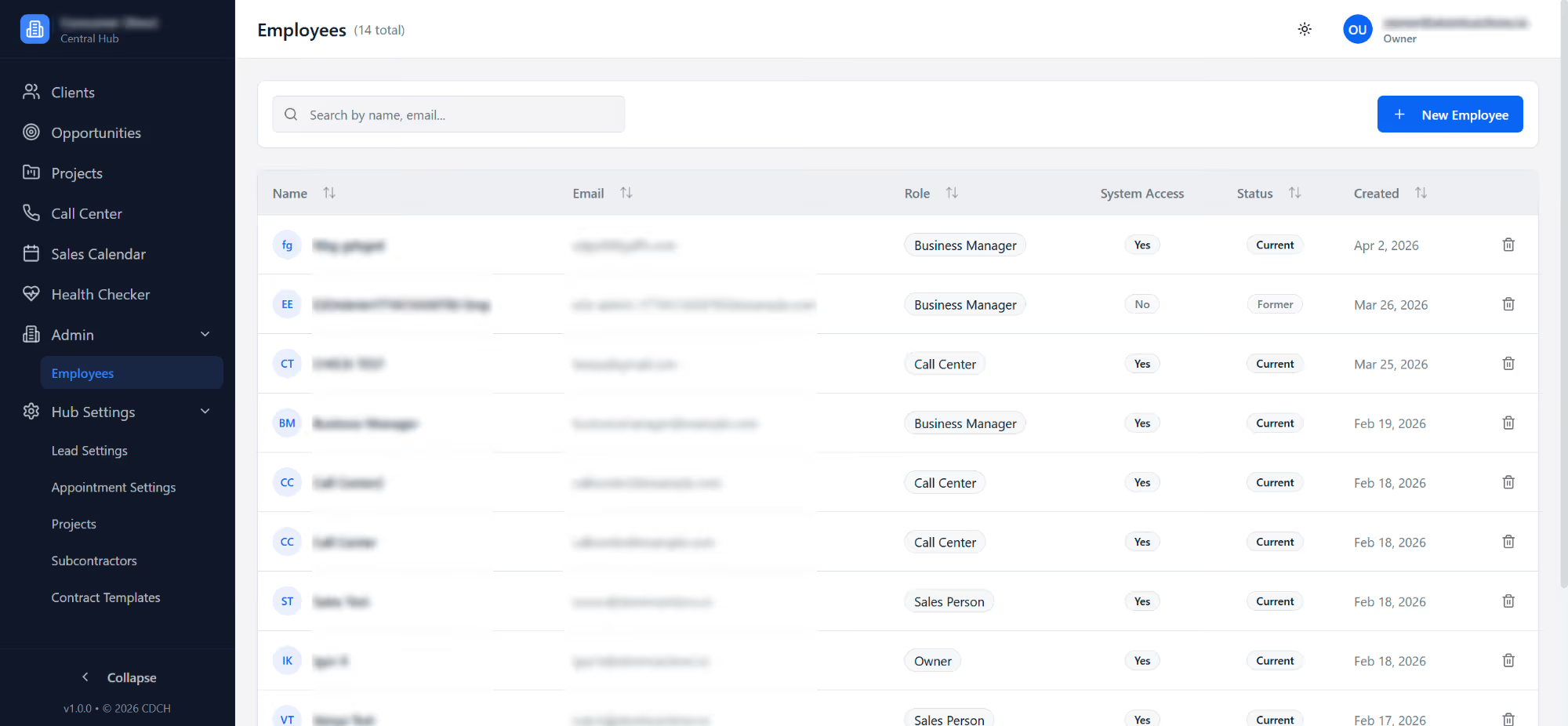
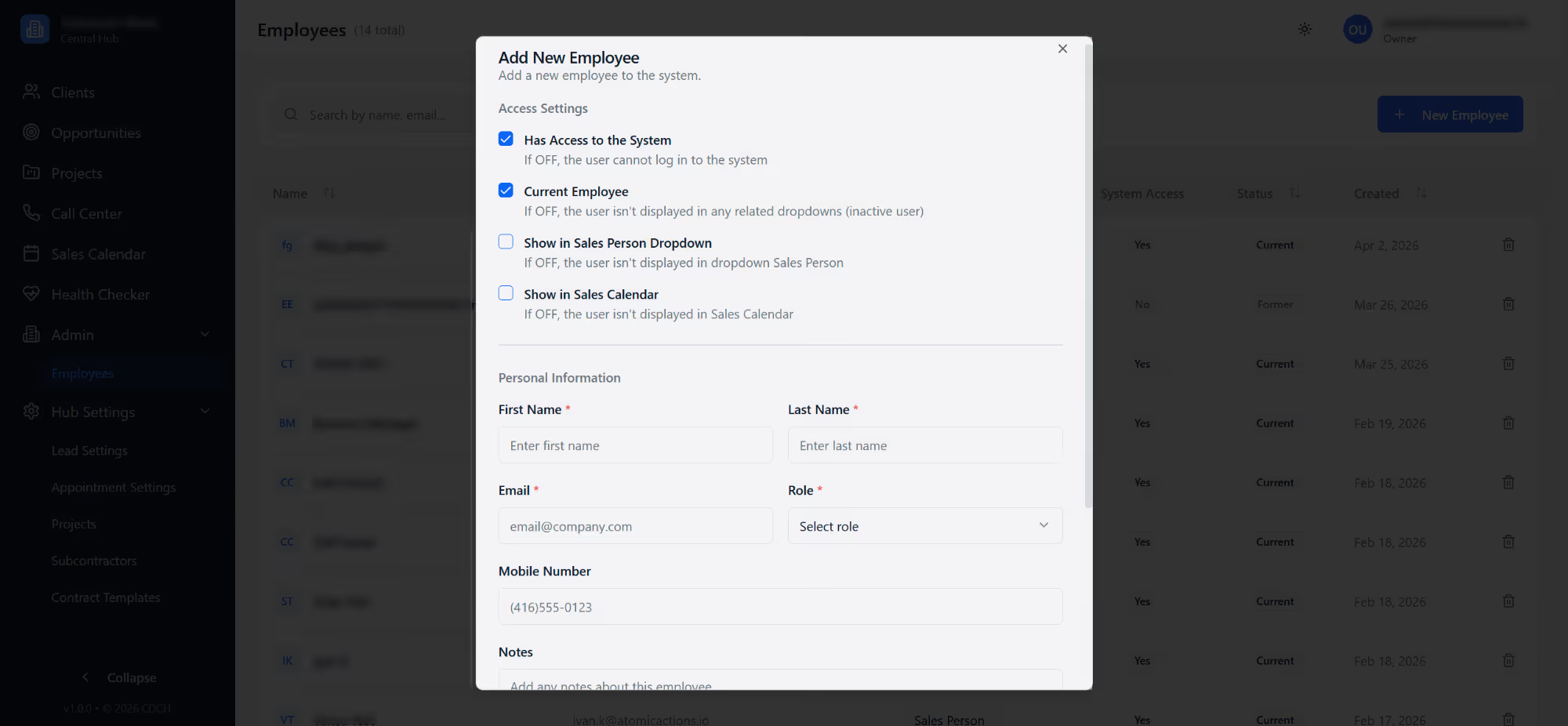
At the foundation is a role-based system architecture, ensuring that each team works within a clear and focused interface:
- Custom roles (Call Center, Sales, Admin, Management)
- Controlled access to pricing, contracts, and sensitive data
- Clean separation of responsibilities without breaking data flow
Client & Opportunity Management
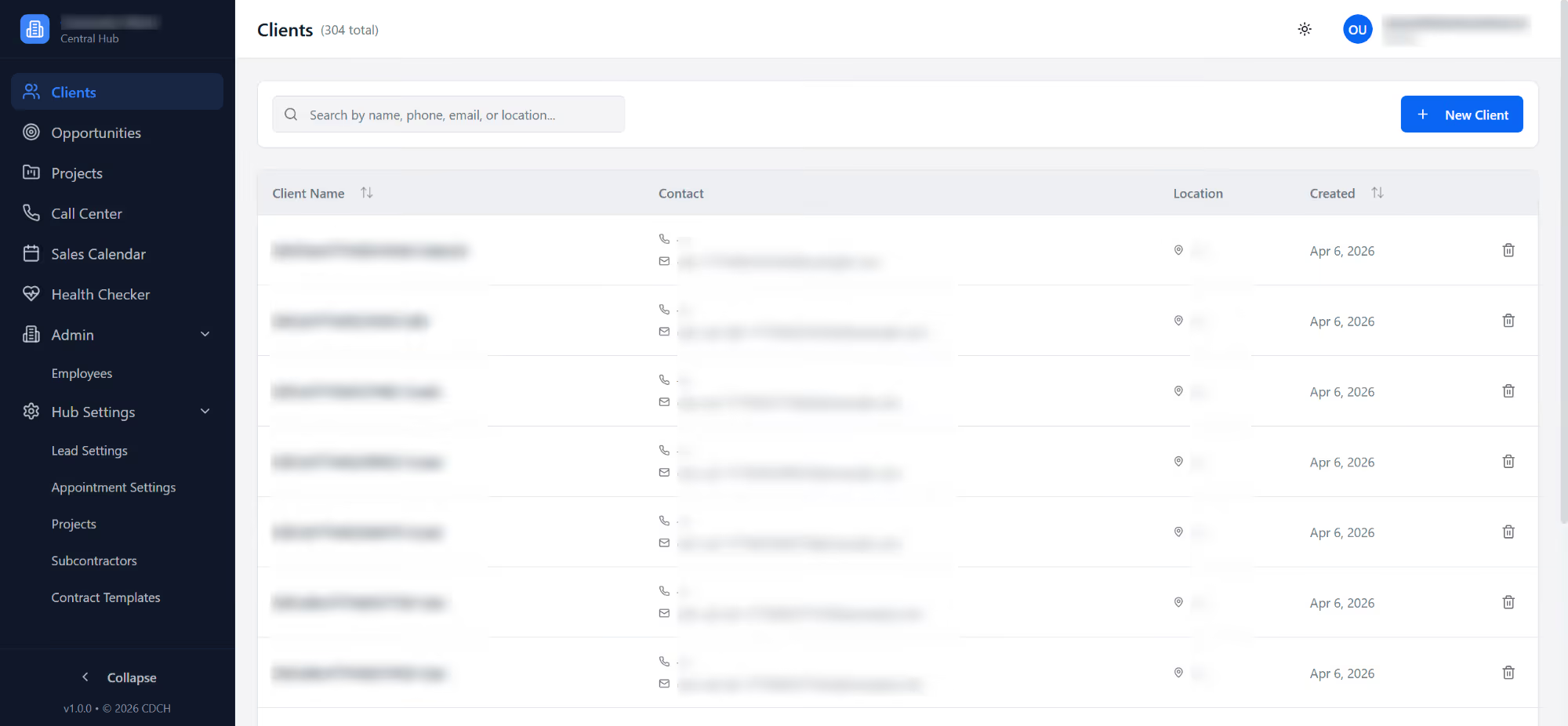
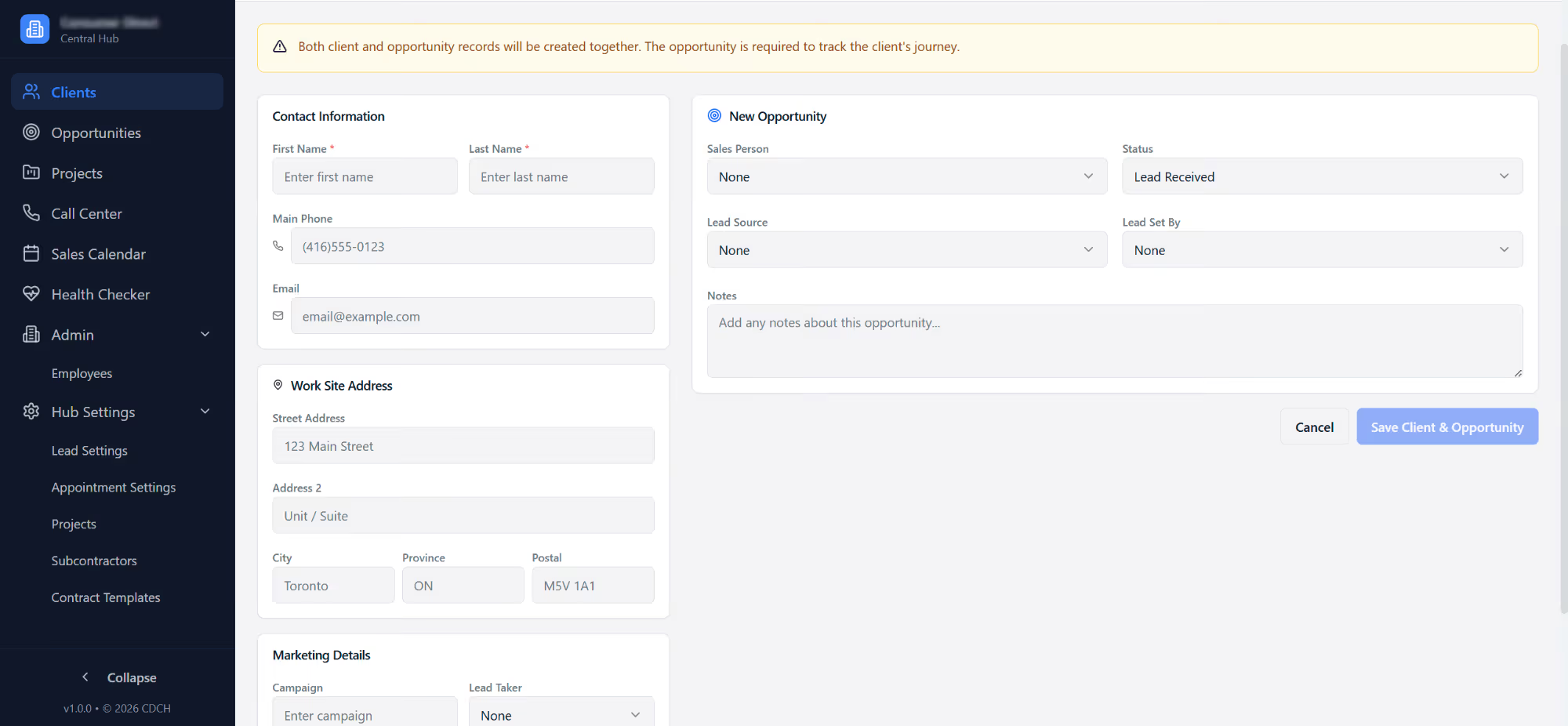
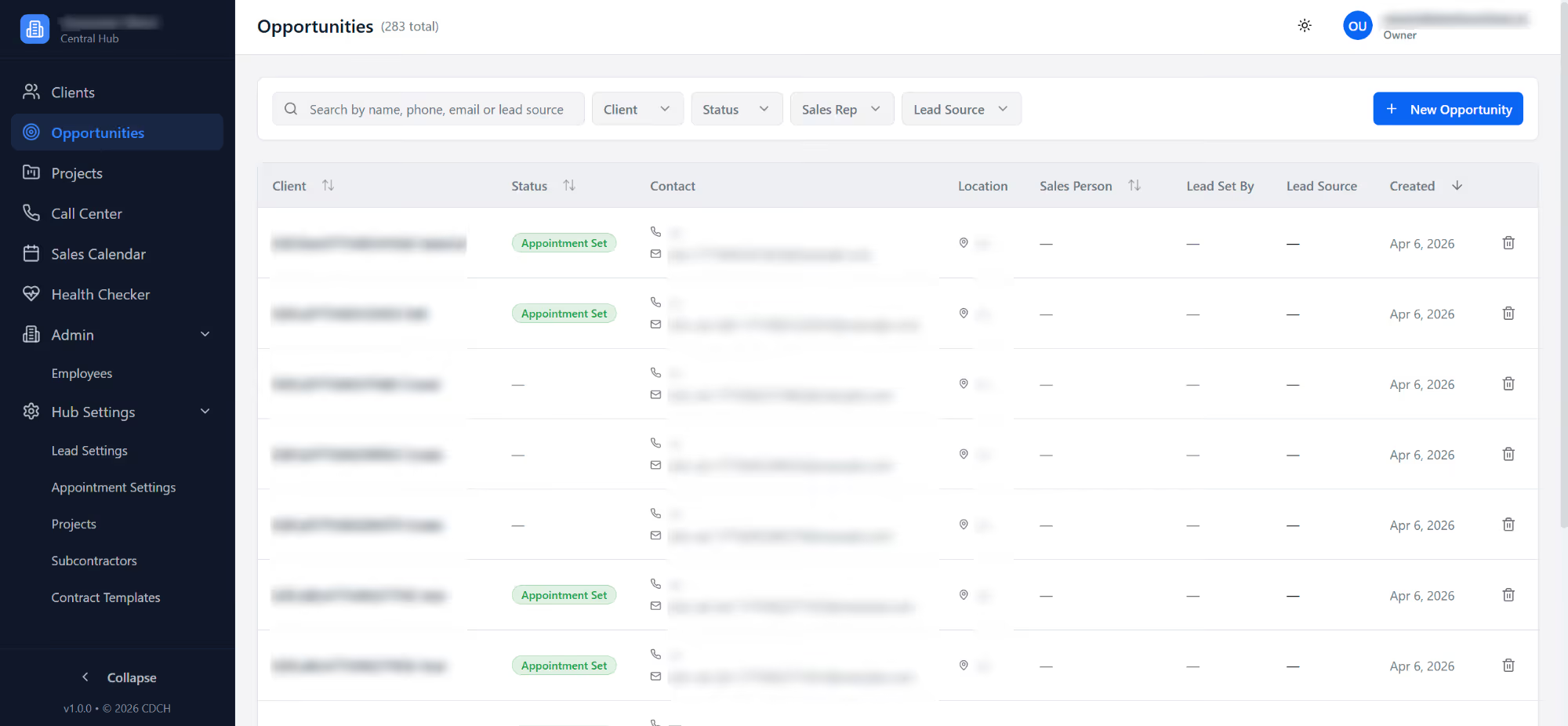
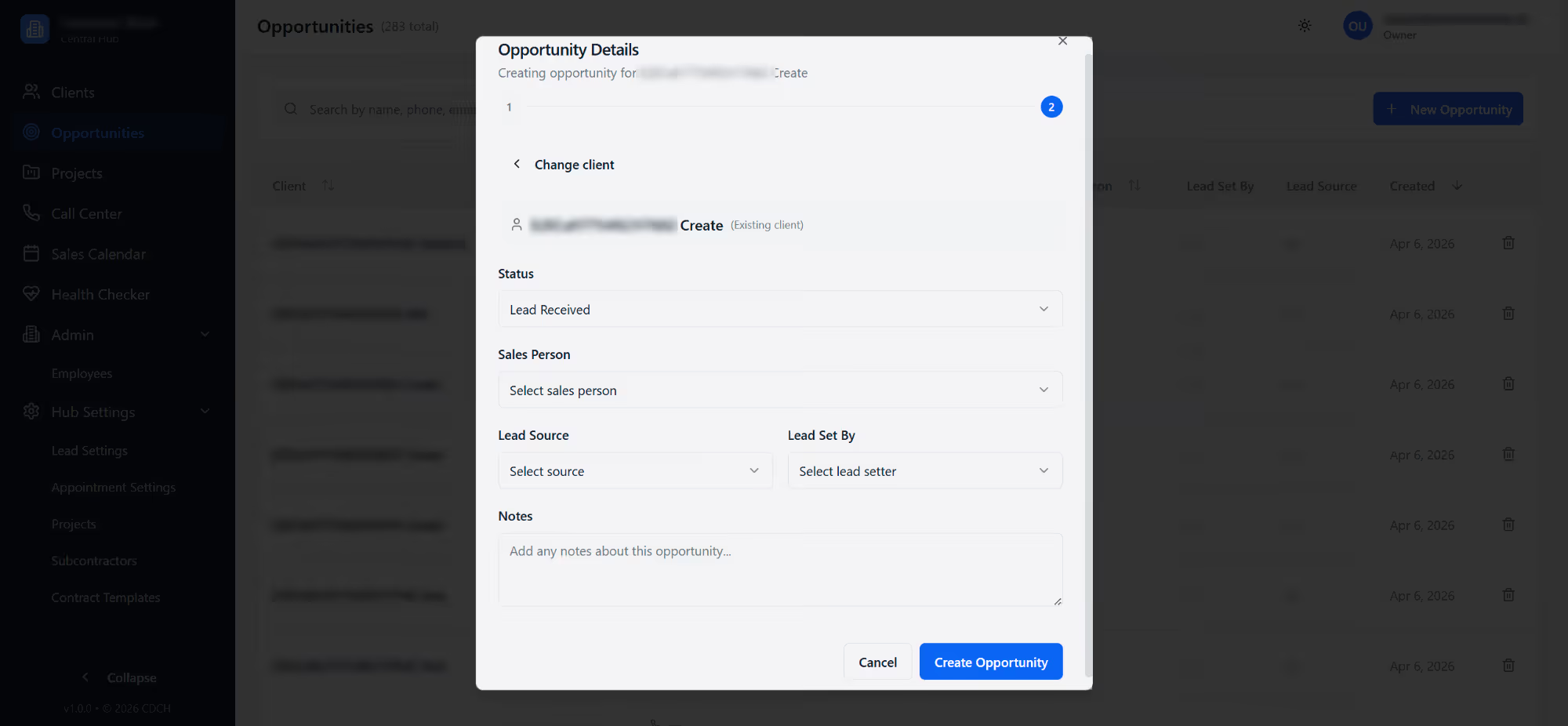
We created a centralized client and opportunity management system that serves as the starting point for all processes. Every lead, interaction, and deal is tracked in a structured way.
This includes:
- Unified client database with structured profiles
- Automatic creation of opportunities linked to clients
- Lead source tracking and attribution
- Full lifecycle tracking from Lead → Appointment → Deal → Project
This eliminated duplicate work and ensured that all teams operate from the same data.
Call Center Module
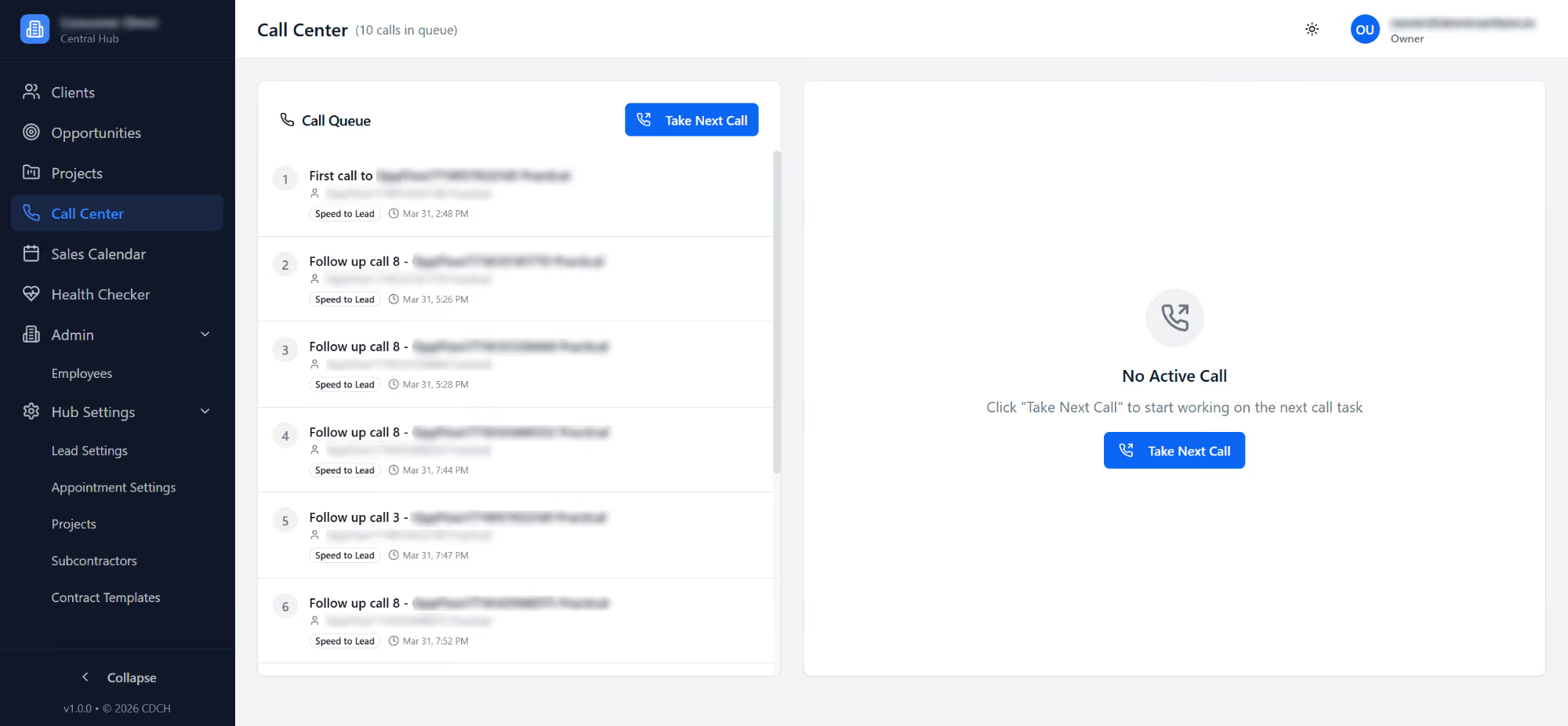
The call center was redesigned into a structured, performance-driven system. Instead of manual coordination, operators now follow automated workflows.
Key features:
- Dedicated interface for call operators
- Auto-generated call queues based on lead flow
- Pre-defined outcomes (No Show, Rescheduled, Sold, etc.)
- Automatic CRM updates based on call results
This transformed the call center into a measurable and scalable part of the sales engine.
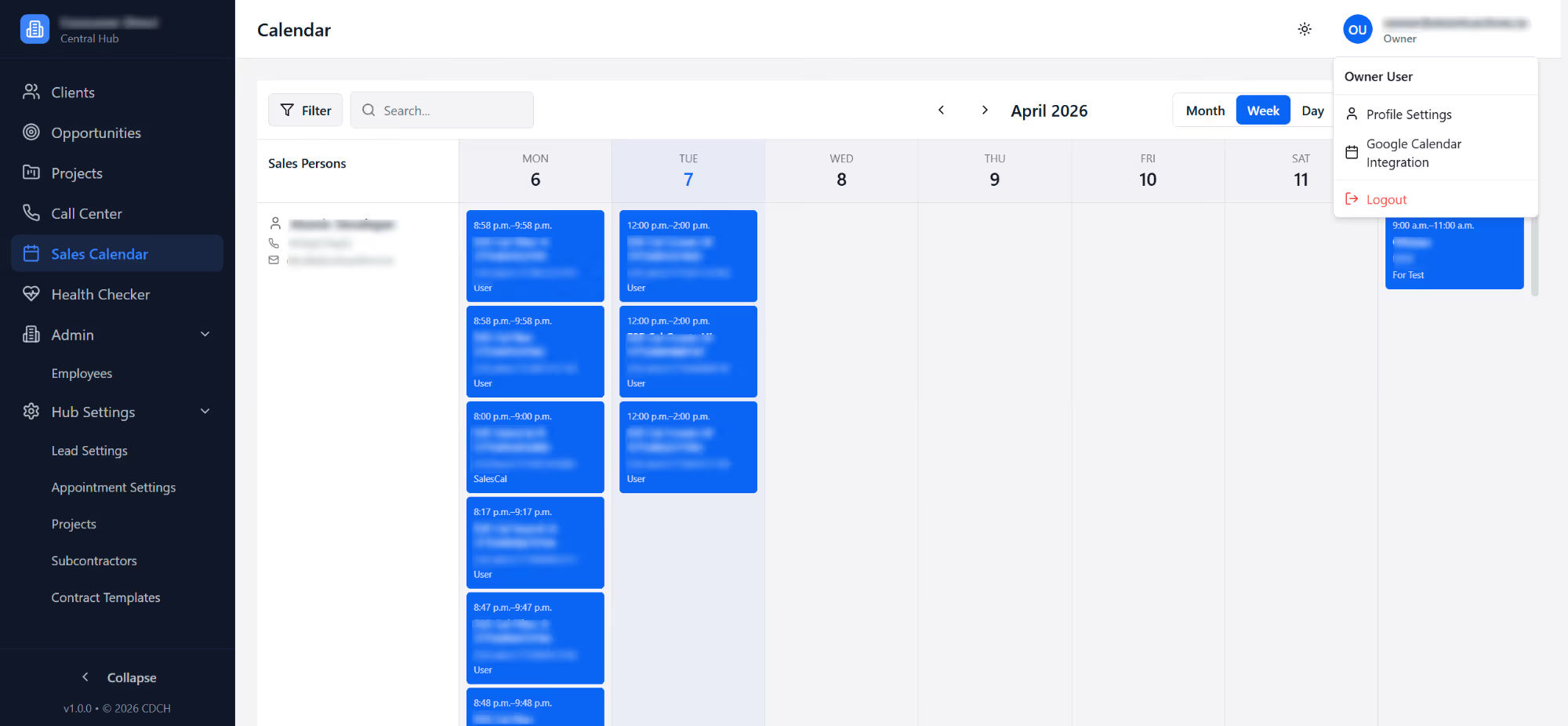
Sales Calendar & Scheduling
To improve coordination and accountability, we implemented a centralized scheduling system.
- Built-in calendar with appointment tracking
- Google Calendar integration (2-way sync)
- Full visibility into sales team schedules
This reduced missed appointments and improved overall sales efficiency.
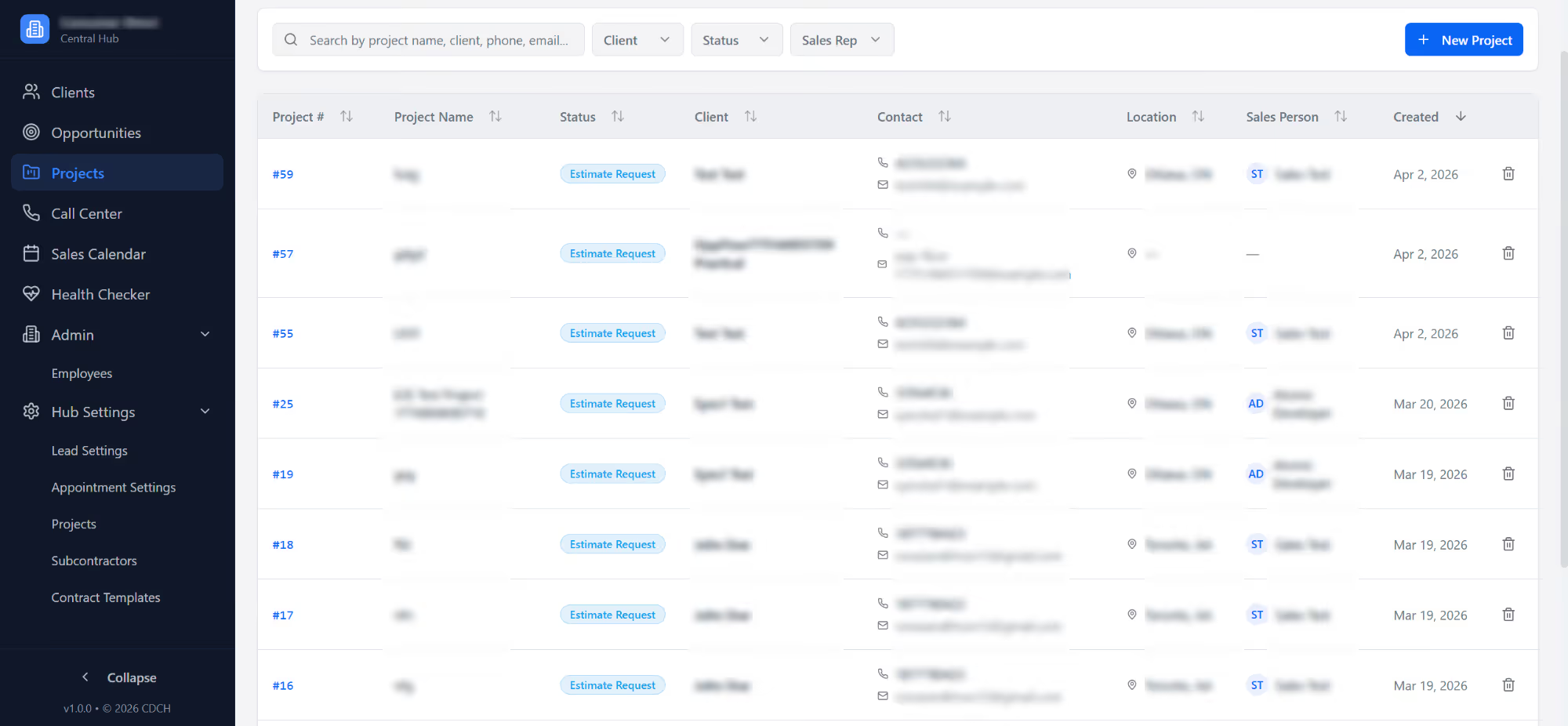
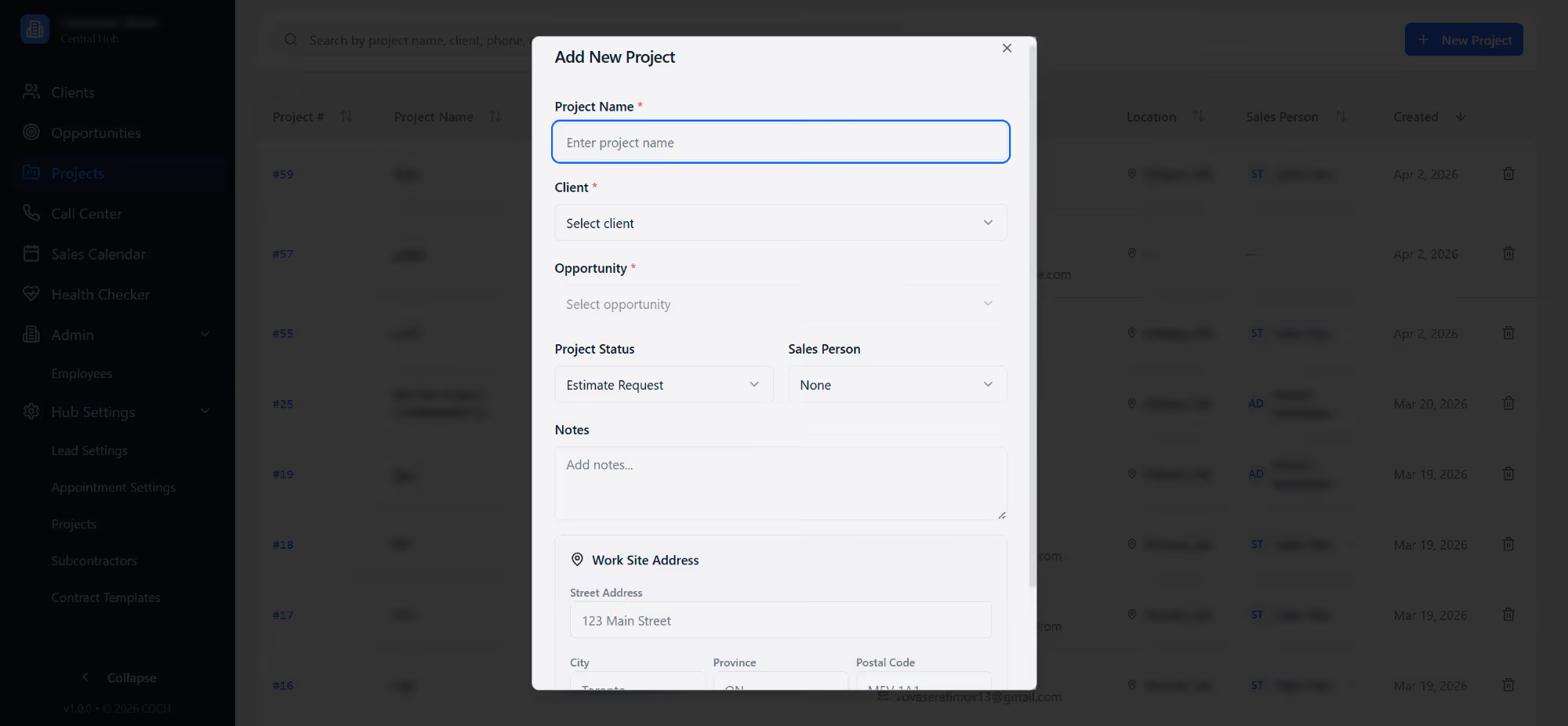
Project & Execution Management
Once a deal is closed, it automatically transitions into execution. The system ensures a smooth handoff from sales to operations.
- Projects created directly from won opportunities
- Assignment of subcontractors, materials, and timelines
- Structured execution stages
This removed friction between teams and ensured consistent project delivery.
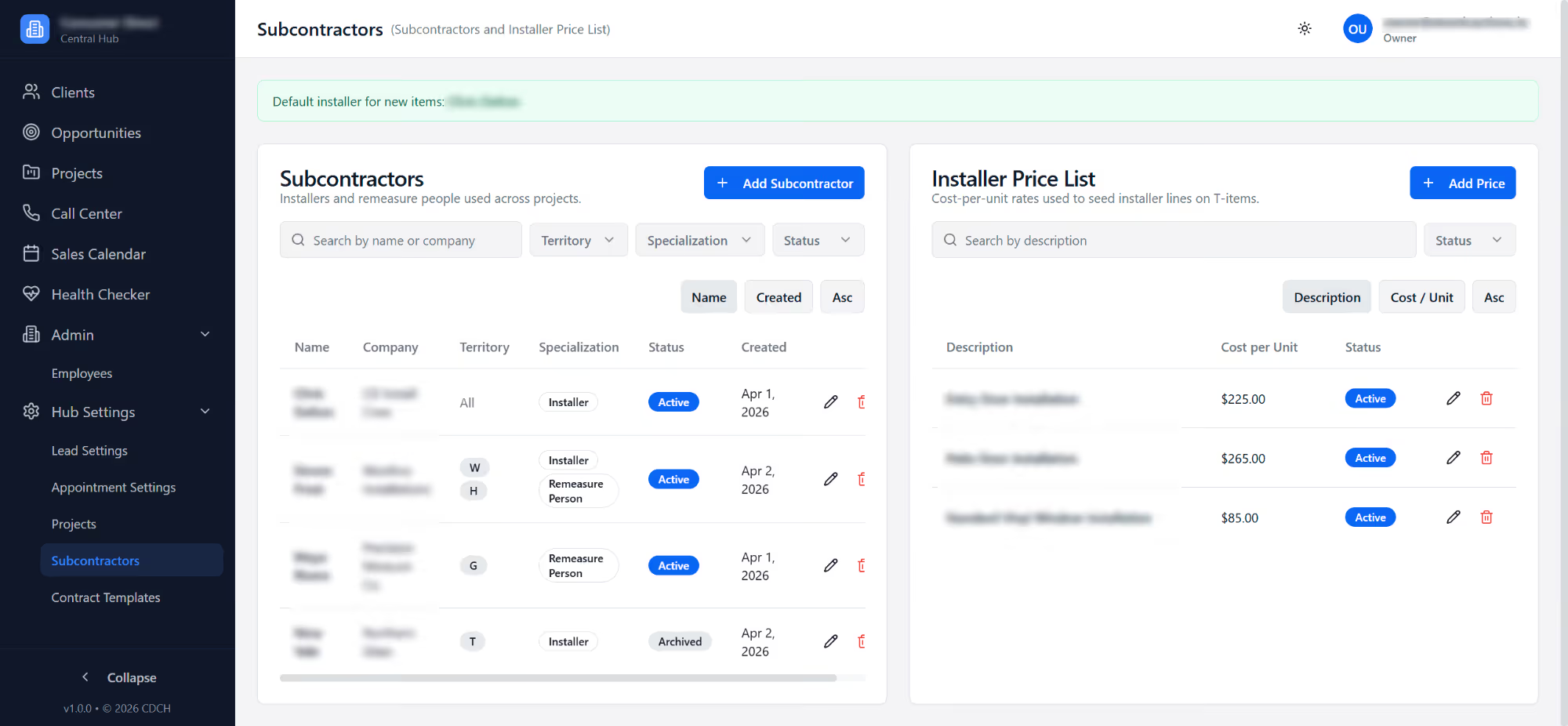
Subcontractors & Pricing System
We centralized subcontractor management and pricing into one system used directly in project planning.
- Centralized subcontractor database
- Installer price lists with cost-per-unit logic
- Integrated into project calculations
This improved cost accuracy and removed manual estimation errors.
Contract Generation & Signing
We automated the full contract lifecycle to reduce delays and manual work.
- Dynamic contract templates
- Auto-filled using project data
- E-signature integration
- Real-time status tracking (sent → signed → completed)
This significantly accelerated contract turnaround and improved reliability.
.avif)
.avif)
.avif)
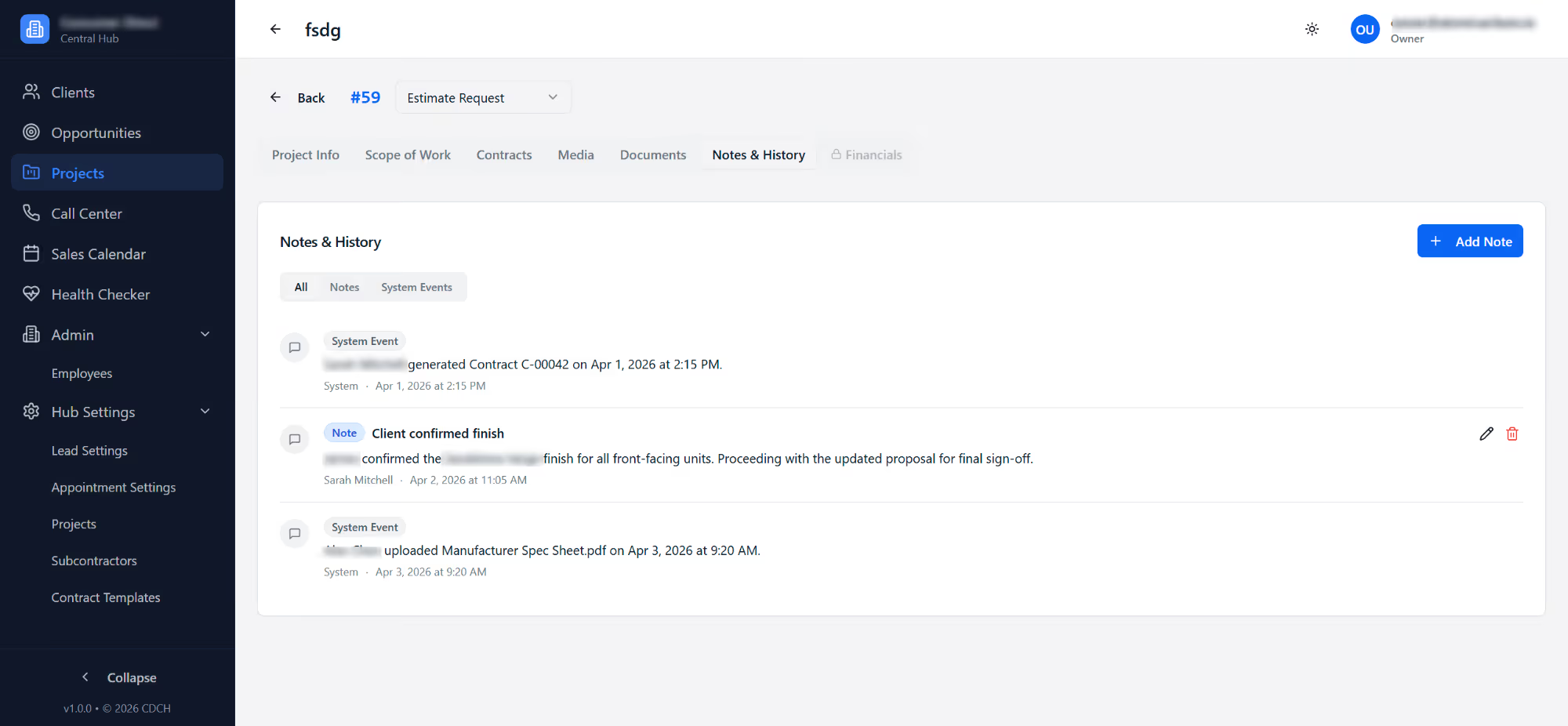
System Logging & Transparency
To ensure clarity and accountability, we implemented detailed system tracking.
- Automatic logs for all key actions
- Manual notes for internal collaboration
This created a clear audit trail and improved team communication.
Dashboards & Analytics
Alongside operational workflows, we built real-time dashboards to give leadership full visibility into performance.
Sales & Performance Dashboard
This dashboard provides a clear view of the entire sales funnel and team activity.
It includes:
- Lead funnel by stage (conversion tracking)
- Appointments by weekday (workload distribution)
- Pipeline vs closed revenue
- Call outcomes and conversion insights
This allows the team to quickly identify bottlenecks and optimize sales performance.
%20(1).avif)
Operational Health Dashboard
The Health Dashboard acts as a real-time monitoring system for the business.
It provides:
- Overall performance score (0–100)
- Automated alerts for critical issues:
- drop in conversion rates
- missed calls
- overdue follow-ups
- slow response times
- Department-level tracking:
- Leads
- Sales
- Call center
- Appointments
- Projects
- Pipeline health
This enables proactive decision-making instead of reactive management.
.avif)

Results
After implementation and stabilization, the company saw measurable improvements across both sales and operations:
- +27% increase in lead-to-appointment conversion
- +26% improvement in close rate
- -42% faster lead response time (from ~4.1h → ~2.4h)
- 100% visibility across all active leads, deals, and projects in one system
Additionally, the development and implementation process itself was significantly more efficient:
- 3× faster development cycle — reduced from ~1500 hours (traditional custom build) to ~500 hours using an agentic approach
- ~30 - 40% reduction in rework and iteration cycles due to early validation through rapid prototyping
- Faster time-to-production — core workflows were validated and became operational before full system completion
Key Impact
Before the Central Hub, operations were fragmented and heavily dependent on manual coordination. Teams lacked clarity, and leadership had limited visibility into performance.
After implementation:
- Operations became centralized and structured
- Teams worked within clear, repeatable workflows
- Leadership gained real-time visibility
- Decision-making became proactive and data-driven
- Faster development cycles by eliminating routine-heavy manual work
- Reduced human error through standardized logic and automation
- Rapid prototyping and validation, allowing quick testing of new ideas and workflows
- Stronger system security, combining human QA with advanced models for vulnerability detection and penetration testing
Why It Matters
This system became more than just a CRM — it turned into the operational backbone of the company.
Sales, call center, and operations are now fully aligned within one system, with real-time visibility and structured workflows across the entire lifecycle. Leadership can identify issues early, while teams focus on execution instead of coordination.
At the same time, the agentic, AI-first approach ensured the system was not only delivered faster, but built around real workflows from day one — with fewer errors, faster iteration, and higher consistency.
The result is a more predictable, scalable, and efficient business — powered by structured processes, real-time data, and a system that continues to evolve alongside operations.
Client’s testimonial
Related case studies

.avif)